Hot Water Plumber in Spring Hill
When a heater dies, the whole flat feels it by the next shower. Local Spring Hill Plumbing is the hot water plumber Spring Hill renters and owners call for repairs, servicing and full replacements across Spring Hill and the suburbs around it. Every job is done by a licensed plumber, and a fixed quote comes before any work starts.
If we're late, $100 comes off your bill

- Licensed and InsuredEvery job done by a licensed plumber. QBCC No: 15024607
- Fixed Quote FirstFlat-rate pricing, agreed before any work starts
- Lifetime Labour WarrantyBacked by our Fix-It-or-It's-Free guarantee (T&Cs apply)
- $0 Call-Out FeesNo extra charge for nights, weekends or public holidays
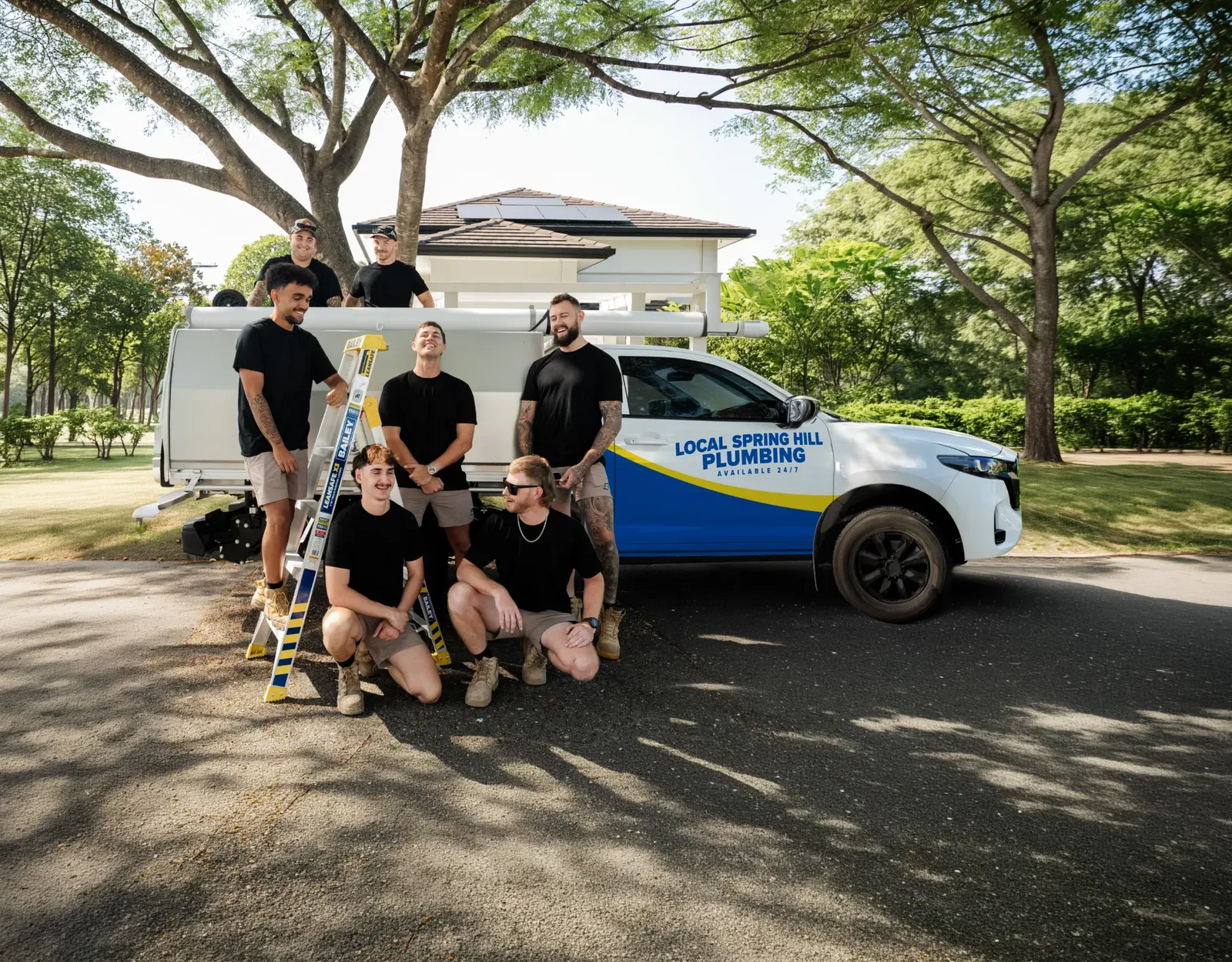
Most dwellings here share one heater, so a fault is never small. A storage unit gone cold in a converted cottage cuts every tap at once. A tank weeping onto a balcony floor is an urgent job, so our emergency plumber page covers it rather than a routine booking.
Checks a Plumber Runs on a Hot Water System
- 1

The Cold Supply and Its Isolation Valve
The valve on the cold pipe feeding the heater comes first, along with the flow behind it. No cold water going in means no hot water can come out anywhere in the home.
- 2

Where Water Is Escaping
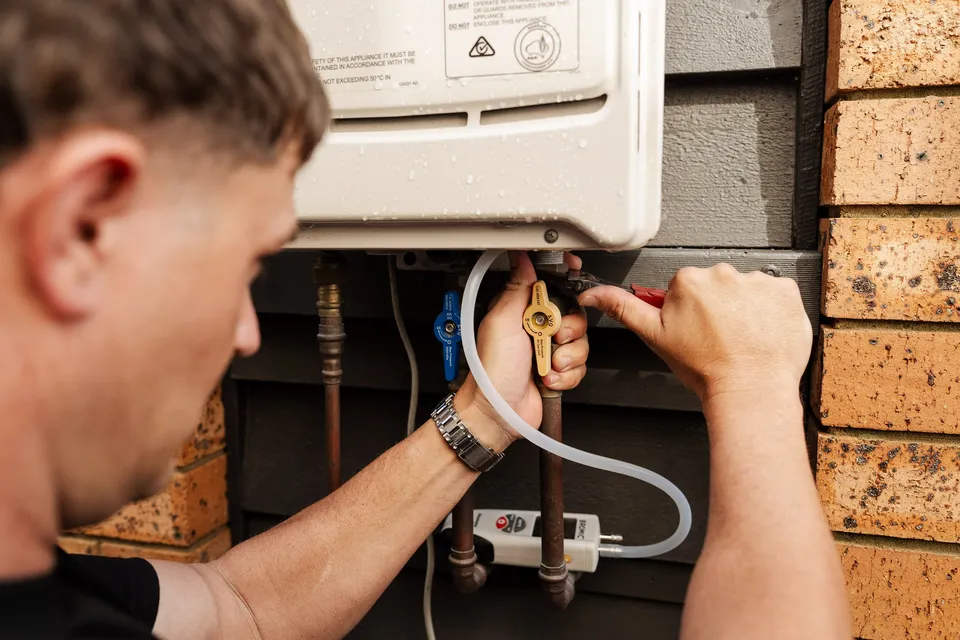
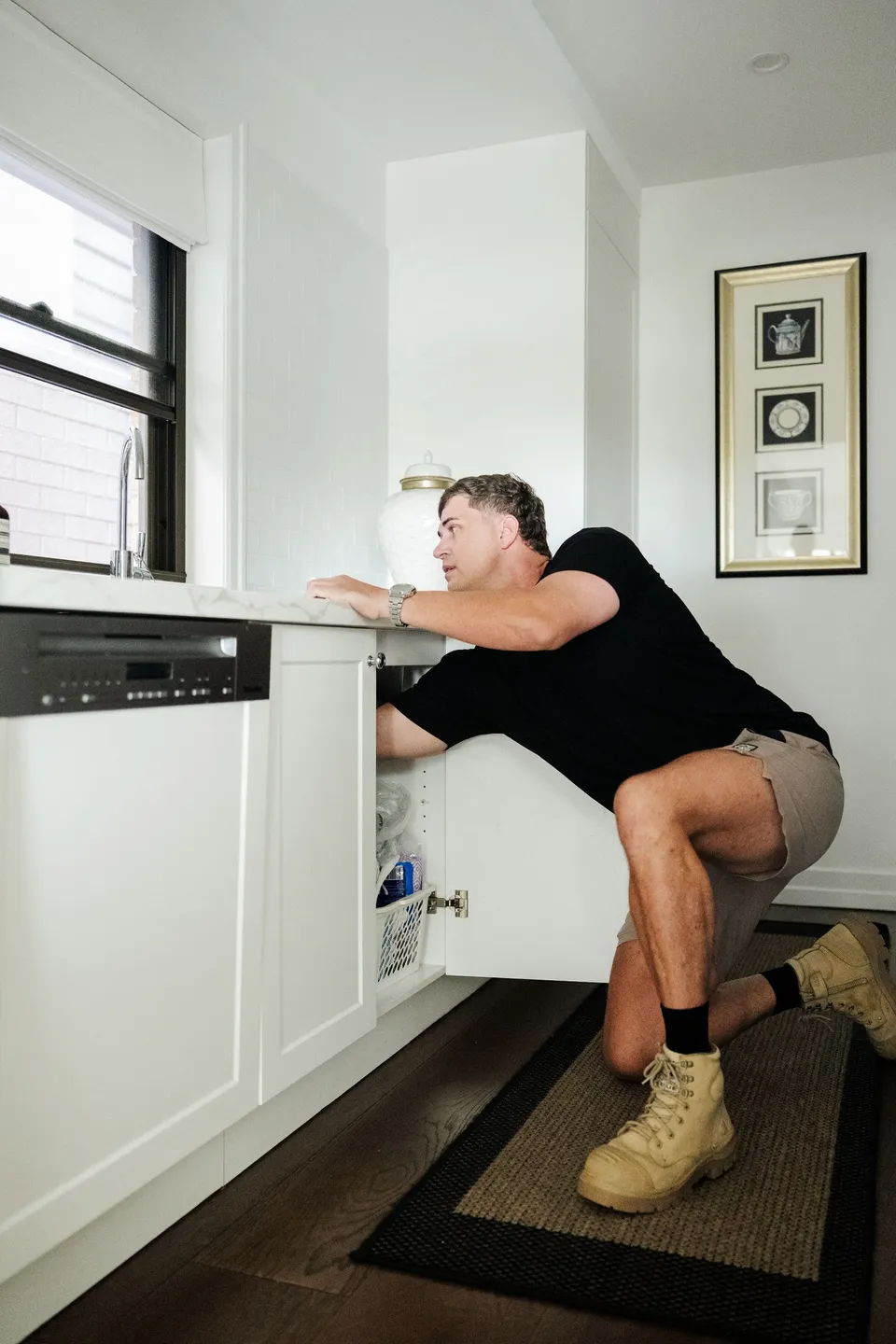
Next comes a hunt for water where water shouldn't be: around the tank, at the pipe joints, on each valve and along the relief line. A wet relief line earns a closer look, because the water can come from a leak, or from the relief valve doing what the relief valve exists to do.
- 3
One Outlet or All of Them
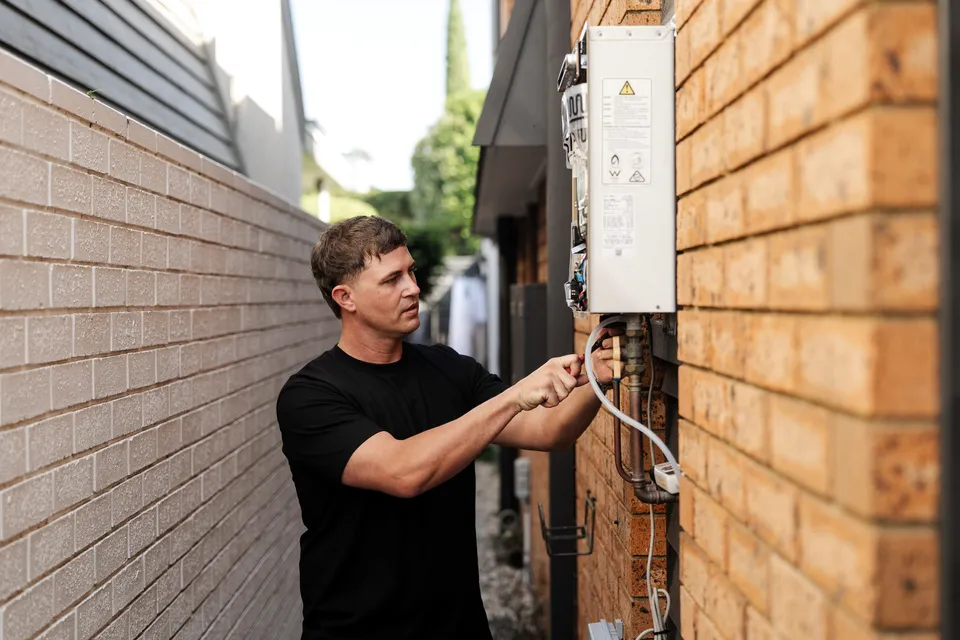
Hot water gone at a single outlet points to that tap or its mixer. Hot water gone everywhere points to the heater, the line feeding the heater or the valves on that line, and that one question narrows the fault list straight away.
- 4

Whether the Fuel Reaches the Unit
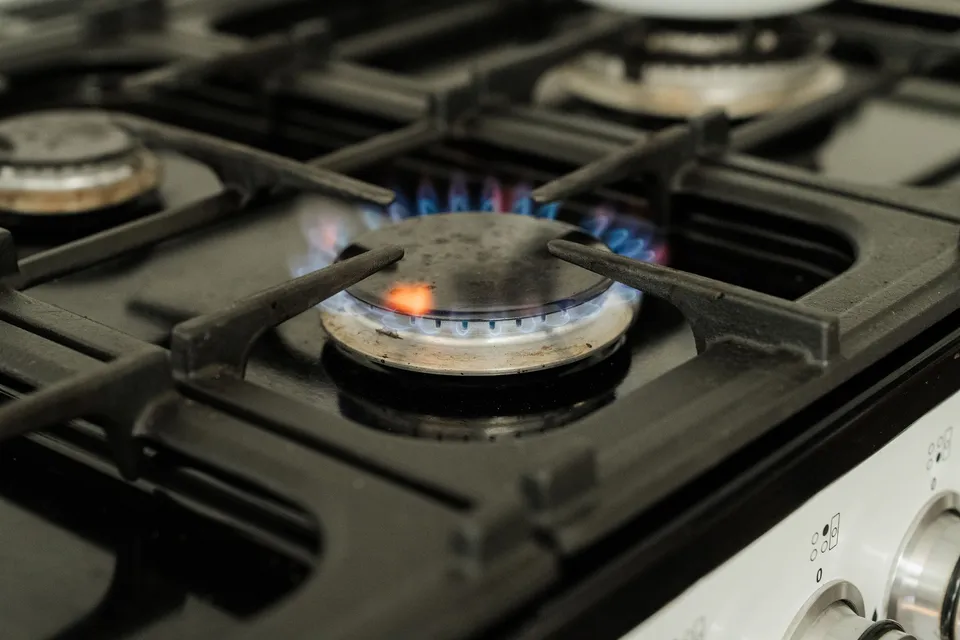
A gas heater has its meter and supply checked by a licensed gasfitter, which is work our gas fitting page covers in full. For a unit on mains power, our checks stop at the water side, the valves and the gas supply. Faults further up the power line sit with another licensed trade, and we say so plainly when we find one.
- 5

How Hot the Water Lands at the Tap
The last check is a thermometer reading at the outlet itself. In a home that figure should sit at 50°C or below, and the reasons for that cap deserve their own section.
Plumbing job in Spring Hill?
$0 call-out fees, available 24/7, and same-day where we can.
Repair or Replace a Hot Water System
A valve, a fitting or another part can be repaired, while water weeping through the shell of a storage tank means the tank has failed and the system gets replaced. That dividing line settles most calls before anyone talks money.
Two more things sway the decision. The first is age: an old unit with a long service history gets a repair more willingly than one already limping, and repeat faults on a heater past its years usually end in a swap.
At the last census, 411 of the suburb's homes were detached houses against 2,043 flats and apartments, so most heaters here sit in laundries, on balconies or inside converted pantry cupboards. Down a street like Sedgebrook Street, carrying a new tank along a narrow staircase is often half the job.
Servicing tilts the scales too. QBCC guidance says a licensed person should look over a heater about once every five years, and sooner again where bore water or a rain tank feeds it. That is advice rather than law, but a regular service catches the small faults before they force the big decision.
Why Stored Water Is Hotter Than Tap Water
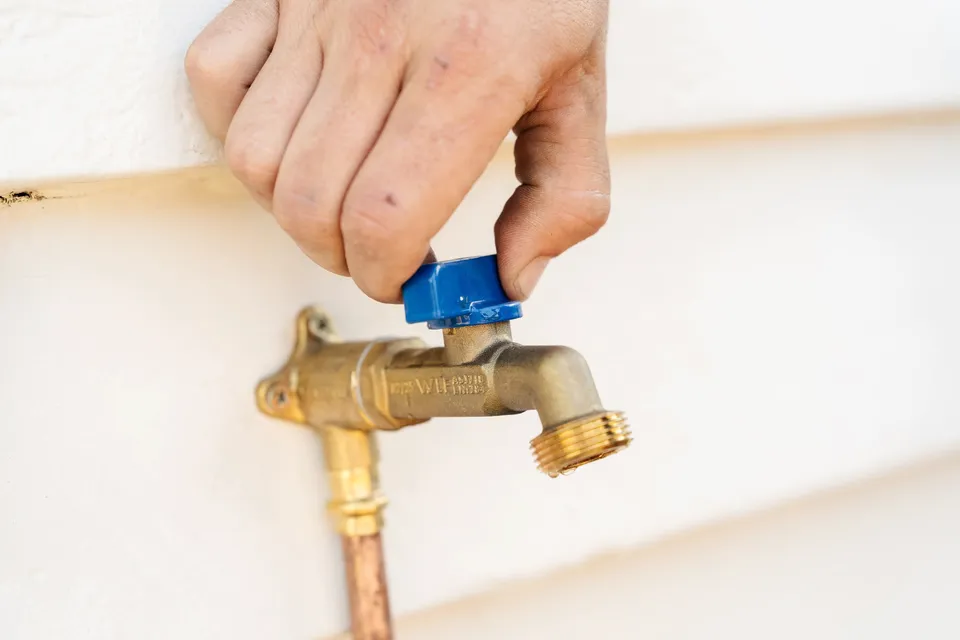
Queensland law holds two rules for hot water in a home: stored water sits at 60°C or above, and what reaches a tap may be no hotter than 50°C. The fitting that does the balancing is a temperature control device, which blends cold into the hot flow on its way through.
Sixty degrees storage exists because Legionella bacteria cannot take hold in water kept that hot. Fifty degrees at the outlet covers everyday hygiene and sharply cuts the scald risk, especially with young children or older relatives in the house.
The device isn't optional. Queensland requires one on every new system and every replacement, like-for-like swaps included, and a new shower over a fresh bathroom plumbing fit-out also triggers one. Swapping a shower head or renewing a washer does not.
Who Can Replace a Hot Water System
A licensed plumber replaces a hot water system, with a licensed gasfitter joining in whenever the unit runs on gas. Water heaters and tempering valves are regulated work, so neither is a handyperson's task, and servicing a thermostatic mixing valve takes a plumber carrying an endorsement on top of the licence.
The paperwork side is simple. A heater replacement counts as notifiable work in a standing home, so no permit and no mandatory inspection apply. The finished job still gets registered: your plumber lodges a Form 4 with the QBCC within 10 business days, and the owner receives a copy to keep.
How a Hot Water Visit Runs
- 1

Describe the problem
Phone (07) 3523 6417 or fill in the form with what you're seeing in Spring Hill. The more we know, the better we can prepare.
- 2
We check the unit and talk options
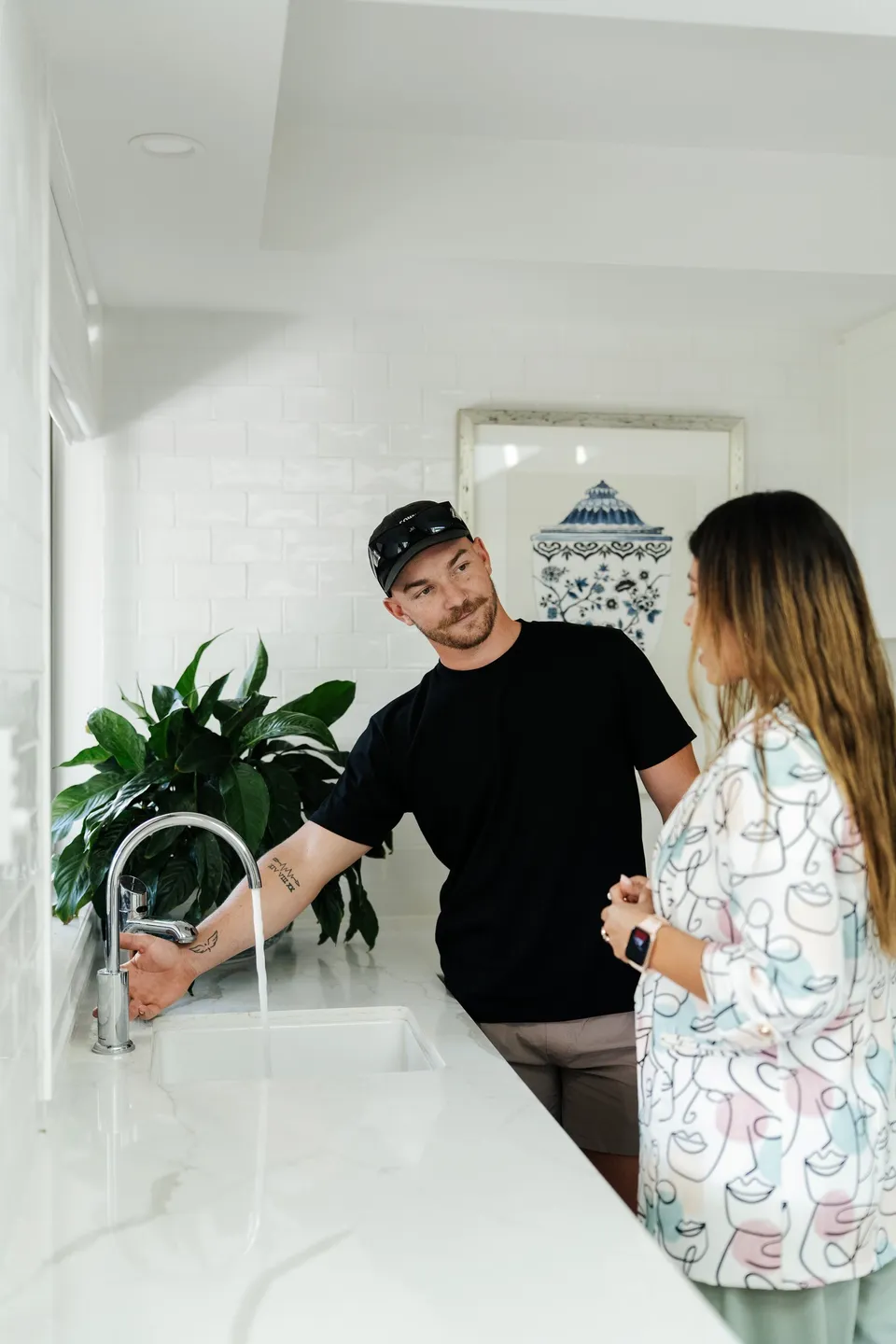
We run the five checks on your heater, work out whether the job is a repair or a replacement, and talk you through what we find before any price is set. A gas unit brings a licensed gasfitter onto the same visit.
- 3
Agree on the price
A fixed quote comes before any work starts: flat-rate pricing, no hidden fees, and your go-ahead first.
- 4
Pay on completion
Card or EFTPOS on site when everything's working, or ask us about Fix now, pay later.
Hot Water Questions From Spring Hill
Call (07) 3523 6417Why does my hot water not work in my Spring Hill home when the cold does?
The taps that went cold tell the story. Hot water missing at one outlet points to the mixer at that tap, while hot water gone from every outlet points to the heater, the pipe feeding the unit or the valves on the line. A plumber runs the checks in order and narrows the fault down from there.
What temperature should hot water be at the tap?
No more than 50°C in a home. A temperature control device blends the flow down from the stored water, which sits at 60°C or above to keep Legionella bacteria out. Queensland sets that cap for every home, so the same rule holds at every tap in Spring Hill.
How often should I service my hot water system in Spring Hill?
Every five years is the QBCC's guidance, carried out by a licensed person, and sooner on a bore supply or a rain tank. Council will not chase you over it, because it is advice rather than law, but a service picks faults up early.
Do I need a permit to replace a hot water system?
No, a council permit is not needed for a hot water system replacement. A heater swap in a standing home counts as notifiable work, so your licensed plumber registers a Form 4 with the QBCC within 10 business days. A copy stays with your property's records.
Where do I turn the water off to my hot water system?
At the isolation valve next to the cold inlet on the unit, usually within arm's reach of the heater. Shutting the meter's stop tap also cuts the flow, but check first that nothing else, the heater included, depends on that supply.

Ring Us About Your Hot WaterWe'll call you back.
Phone (07) 3523 6417 for a licensed plumber in Spring Hill. We work under QBCC No: 15024607, with flat-rate pricing, no hidden fees and same-day where we can.
To claim your $0 call-out fee, call (07) 3523 6417 today.