Old House Plumbing in Spring Hill
Pre-1940 housing still stands through these streets, and old house plumbing in Spring Hill mostly means pipework patched, partly swapped and added to across generations of owners. Spring Hill cottages carry a mix of pipe, fittings and rules that newer places never see. Local Spring Hill Plumbing works on these homes across Spring Hill and the suburbs around it, and every job is done by a licensed plumber.
If we're late, $100 comes off your bill

- Licensed and InsuredEvery job done by a licensed plumber. QBCC No: 15024607
- Fixed Quote FirstFlat-rate pricing, agreed before any work starts
- Lifetime Labour WarrantyBacked by our Fix-It-or-It's-Free guarantee (T&Cs apply)
- $0 Call-Out FeesNo extra charge for nights, weekends or public holidays

Age alone is not the problem. The problems are the unknowns: what the pipes are made of, where they run, and which rules apply the moment you renovate. This page covers all three.
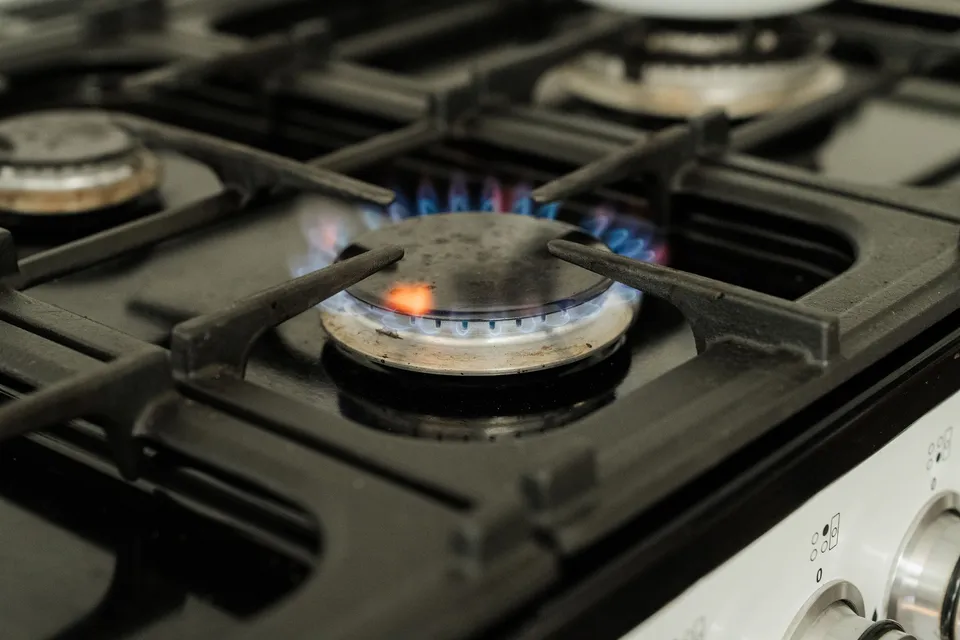
Pipes Under the Floor of a Timber Home
A stump-framed home keeps its plumbing in plain sight: the water lines, the drain lines and the gas all travel through the gap between the stumps, visible from underneath. On a slab, the same services sit buried in the pour or behind plaster, so repairs start by opening surfaces.
That under-floor space is your friend. Trouble down there shows itself without pulling anything apart:
- soil staying wet or soft beneath a run
- water beading at the joints
- orange crust on old fittings
- bearers and joists dark with moisture
- a closed-in, earthy smell
Streets here also drop fast off the ridge, and pressure builds the further down they run, so tired service lines near the foot of the hill cop with loads the crest never sees.
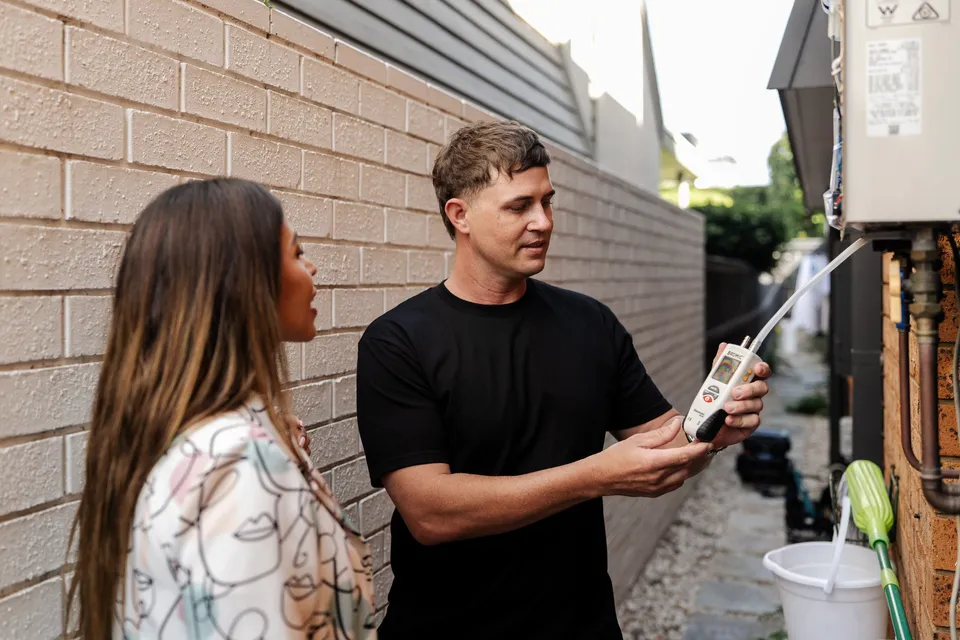
What the Age of Your Water Pipes Means
Galvanised pipe is zinc-coated steel; the coating eventually thins, and the steel beneath it rusts from within. Watch for tea-coloured water, taps that trickle across the whole house, and leaks that return no matter how often they're patched.
Some of the oldest cottages here may still run on galvanised service lines left from early re-plumbing, and those slow the flow and rot at the unions. A plumber confirms the material and its condition on site, because decades of patching mean copper and galvanised often share the one run.
Two more points on the water side:
- Copper pipe and brass fittings were joined with lead solder in Australian homes up to 1989, so a pre-1940 house may carry joints from that era.
- Fixing a broken pipe ranks as minor work: no permit, no form. Swapping the entire service from the meter to the house is notifiable, so a Form 4 follows.
When old pipe keeps failing, repiping old pipes is the page that covers the replacement itself.
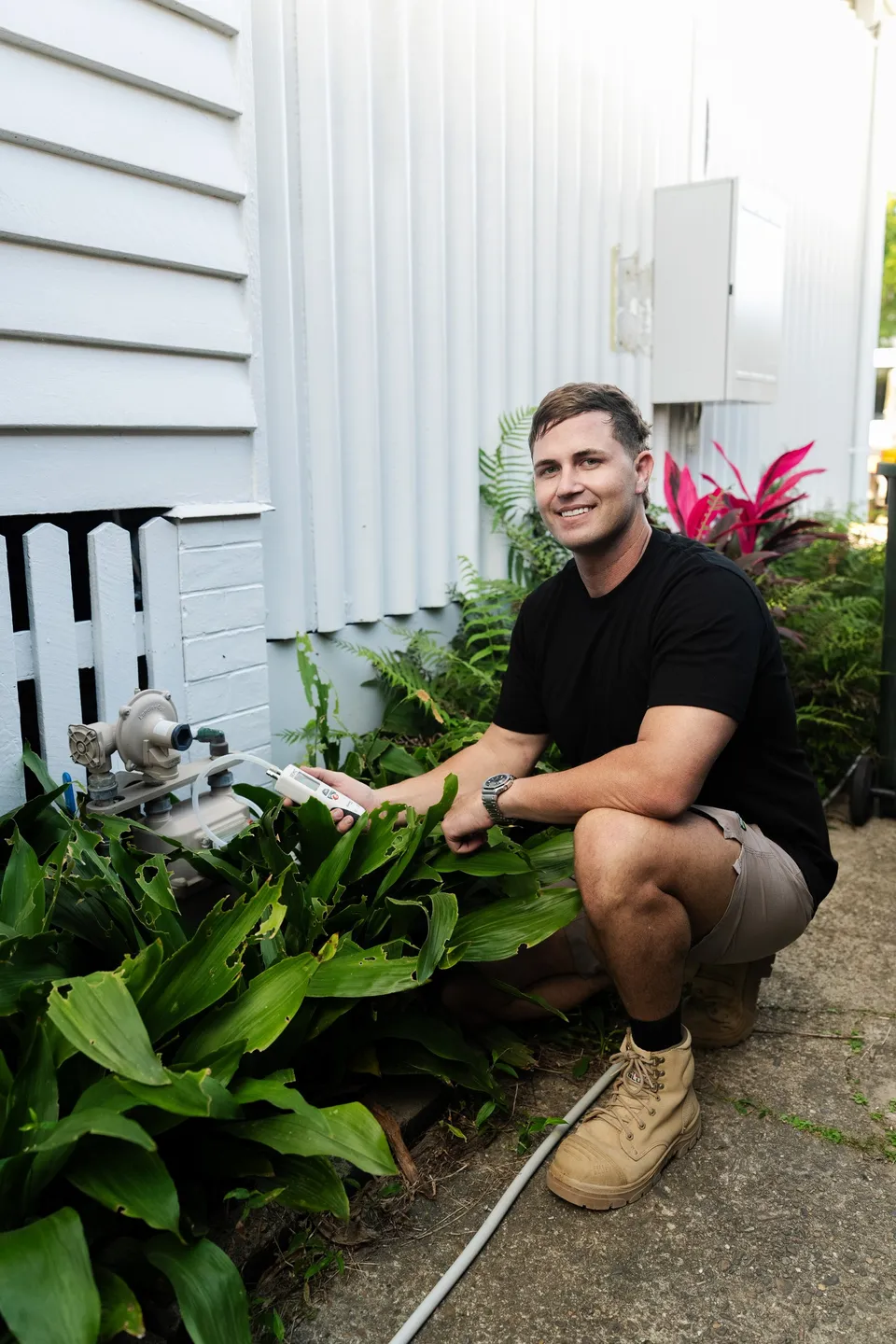
When Old Gas Pipework Needs a Gasfitter
Gas work in Queensland belongs to licensed gasfitters alone: fitting, changing, fixing, servicing, testing and certifying a system and its pipework are all theirs. The state's advice to owners is to look over gas pipework often for rust, decay or damage, and to keep anything that burns away from appliances.
Where a gas worker has a safety worry about a system being worked on, you receive a defect notice unless the fault is put right then and there. That notice names the problem, so keep it with your house papers.
Smell gas? Turn the appliance off, let the breeze through, and touch no switches. If it lingers, shut the supply at the meter or bottle and ring (07) 3523 6417, or 000 if it won't clear.
Certificates for finished gas work are covered on the gas compliance certificates page.

Which Renovations Count as Notifiable Work
Nearly every renovation job in an old house lands in one category: notifiable work. A licensed plumber does it without a council permit or inspections, registers it with the QBCC on a Form 4 within 10 business days, and hands you a copy.
The Regulation counts a home as existing once drainage and a water supply are both present, which describes almost every house on this ridge.
A handful of triggers shift the category or add a step:
Shared services
Fixtures added to a home on a combined drain, or fed by a dual reticulated supply, need a permit from the local government before work begins.
Temperature control
Queensland rules require a temperature control device on every new or swapped water heater, holding the water at your taps at or below 50°C, and installing one is itself notifiable. New hygiene fixtures such as showers call for the device too; a washer change or a shower head swap does not.
Asbestos
Houses built before 1990 mostly contain some asbestos, so renovations take extra care and can run longer.
Permits also outlive owners: one attaches to the premises and binds later owners and any occupier. You can look up your address in the QBCC's notifiable work records and request a copy of a Form 4 for past jobs if one never reached you.
For hidden losses, leak detection explains the meter test that confirms a leak before anyone digs.
How We Approach an Older Home
- 1

Describe the problem
Phone (07) 3523 6417 or fill in the form with what you're seeing in Spring Hill. The more we know, the better we can prepare.
- 2

We read the house, not just the fault
We get under the cottage where access allows, identify what each run is made from and inspect the gas lines and joints, then walk you through the findings before anything changes. Steep blocks and tight subfloors only shape how we reach things.
- 3
Agree on the price
A fixed quote comes before any work starts: flat-rate pricing, no hidden fees, and your go-ahead first.
- 4

Pay on completion
Card or EFTPOS on site when everything's working, or ask us about Fix now, pay later.
Plumbing job in Spring Hill?
$0 call-out fees, available 24/7, and same-day where we can.
Older Home Plumbing Questions From Spring Hill
Call (07) 3523 6417What is different about plumbing in an older Spring Hill home?
Age is the difference. Pipes, fittings and layout here reflect generations of repairs rather than one plan, gas fittings can predate today's rules, and renovating opens a new set of legal categories. A licensed plumber assesses all of it in person.
Where do the pipes run in a timber home on stumps?
Through the space between the stumps. Water, drain and gas lines in a stump-framed house hang under the floorboards where you can inspect them from below. A slab home buries its services in the pour and the walls, so repairs mean opening surfaces.
How do I check the plumbing in an old house?
Start with what's visible: damp patches, soft soil, stains, rusty fittings, discoloured water, weak flow and drips beneath the boards. A licensed plumber handles the rest, and our leak detection page covers the meter test that proves a hidden loss with every tap shut.
Are there galvanised water pipes in Spring Hill homes?
Yes. Galvanised steel service lines from early re-plumbing survive in some of this suburb's oldest dwellings, restricting flow and rusting at the unions. A plumber confirms what your pipes are made from on site, since mixed materials from decades of patching are common in pre-1940 homes.
Does renovating my Spring Hill home need a plumbing permit?
No, most renovation plumbing is notifiable work: a licensed plumber does it without a council permit, then lodges a Form 4 with the QBCC. A permit only applies where the home shares a combined drain or runs on a dual reticulated supply.

Call Us About Your Older HomeWe'll call you back.
Phone (07) 3523 6417 for a licensed plumber in Spring Hill. We work under QBCC No: 15024607, with flat-rate pricing, no hidden fees and same-day where we can.
To claim your $0 call-out fee, call (07) 3523 6417 today.